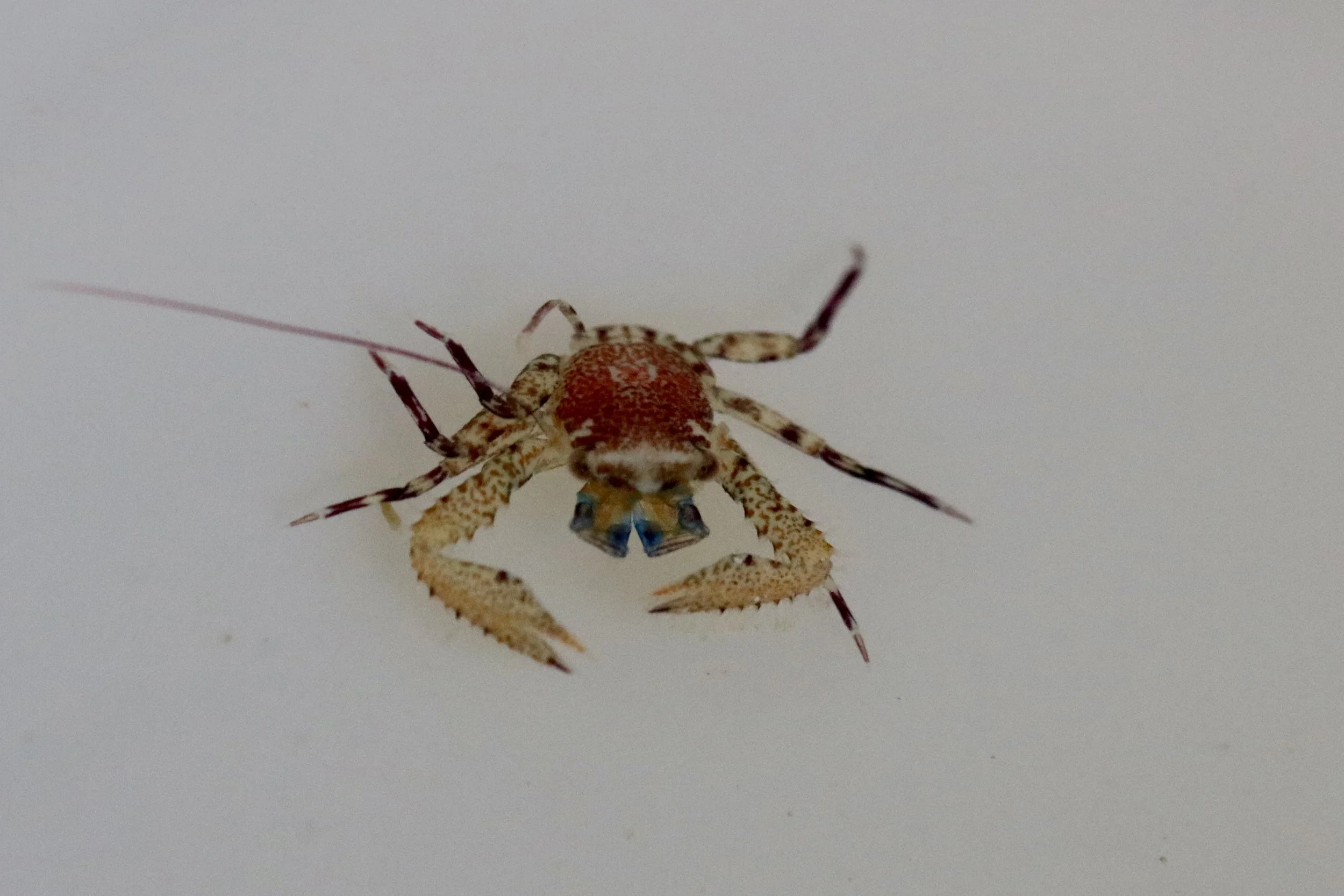
Research on cyrptofauna
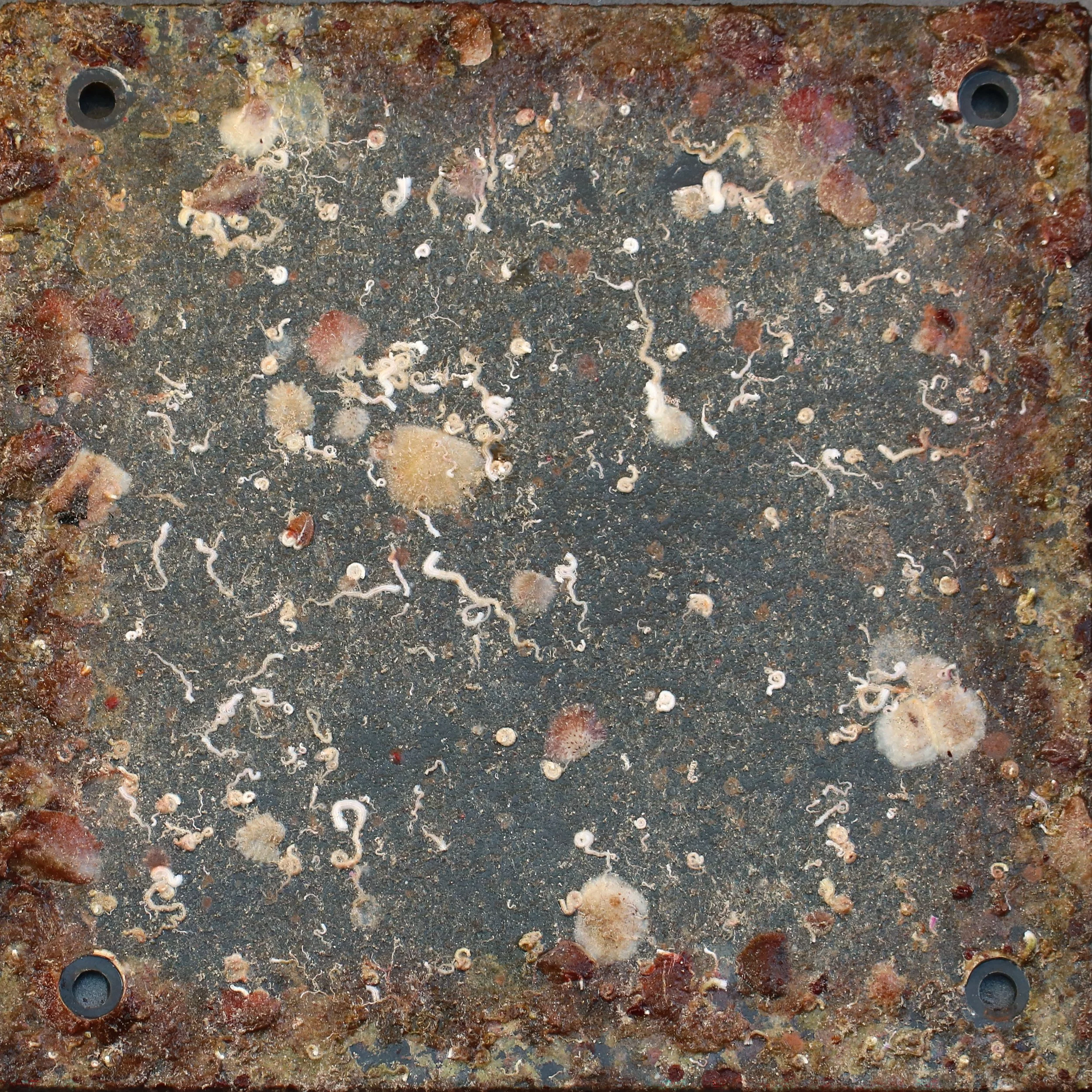
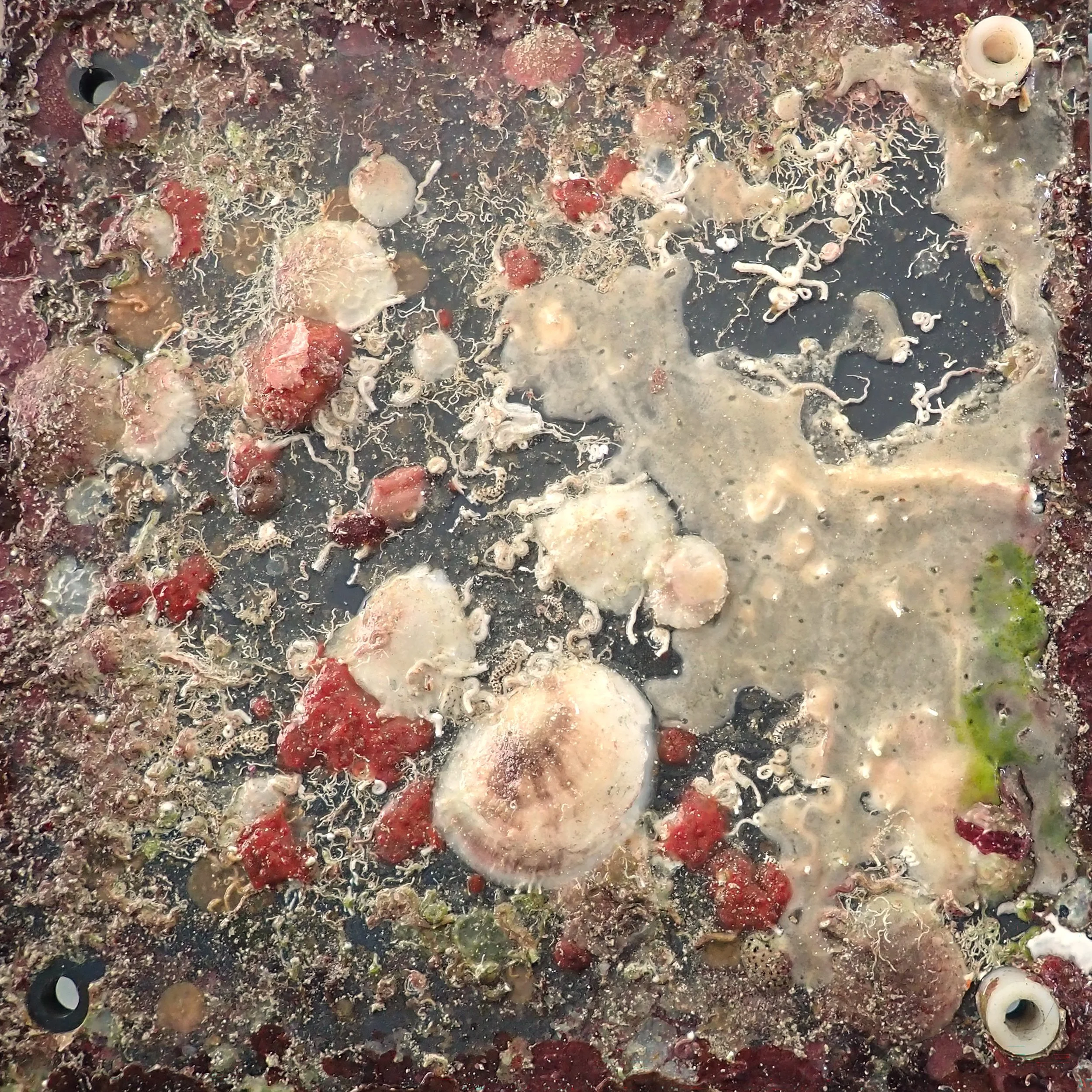
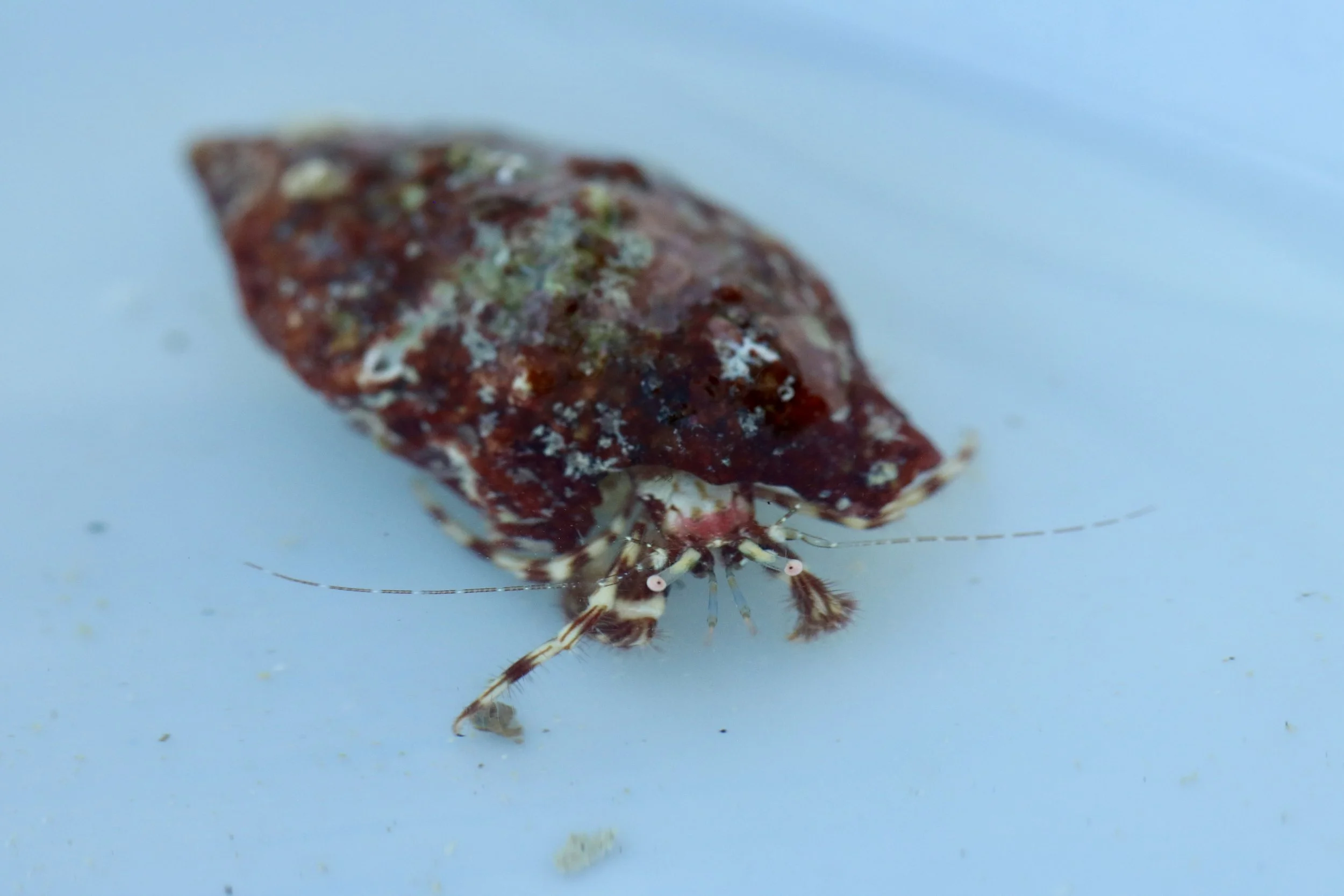
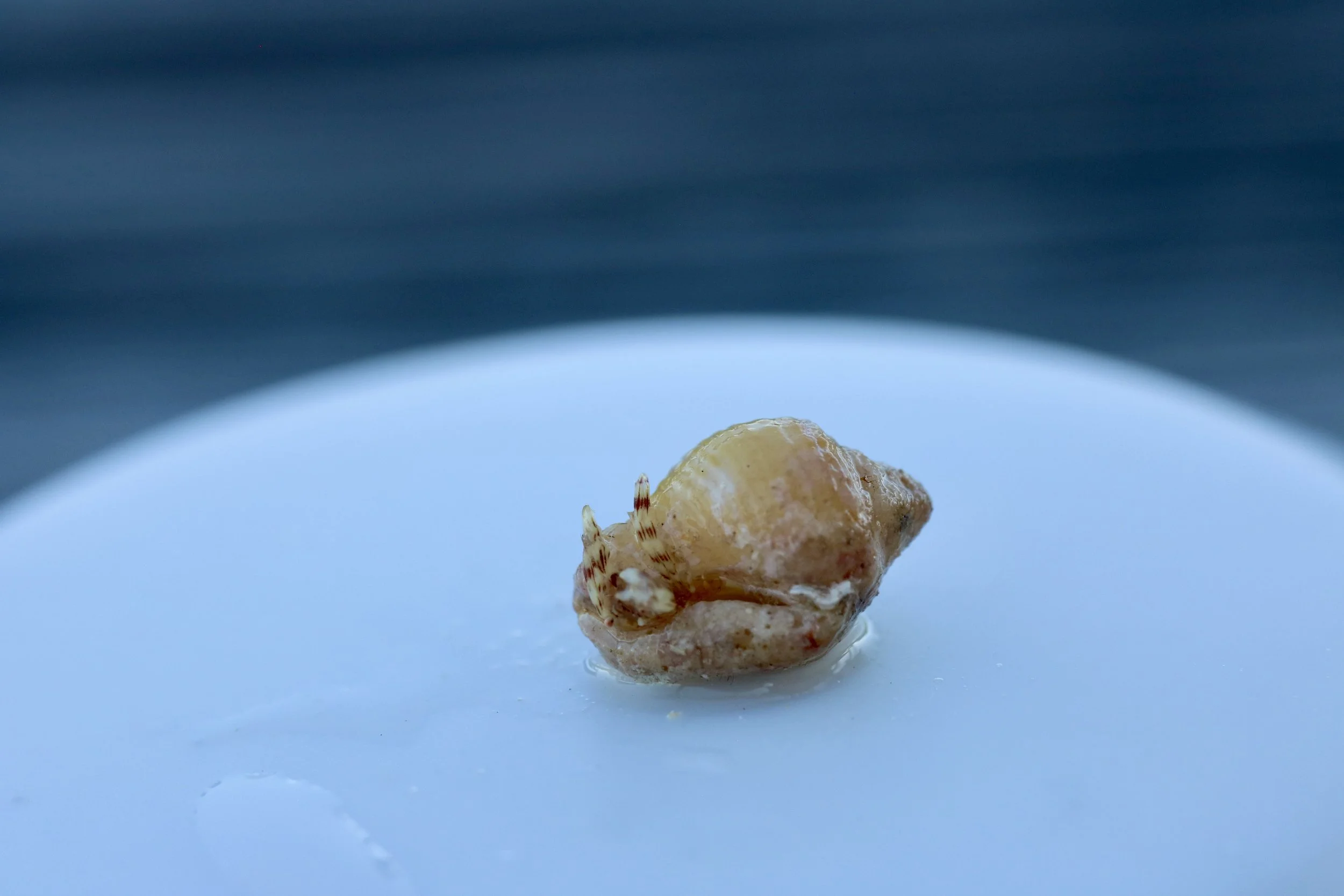
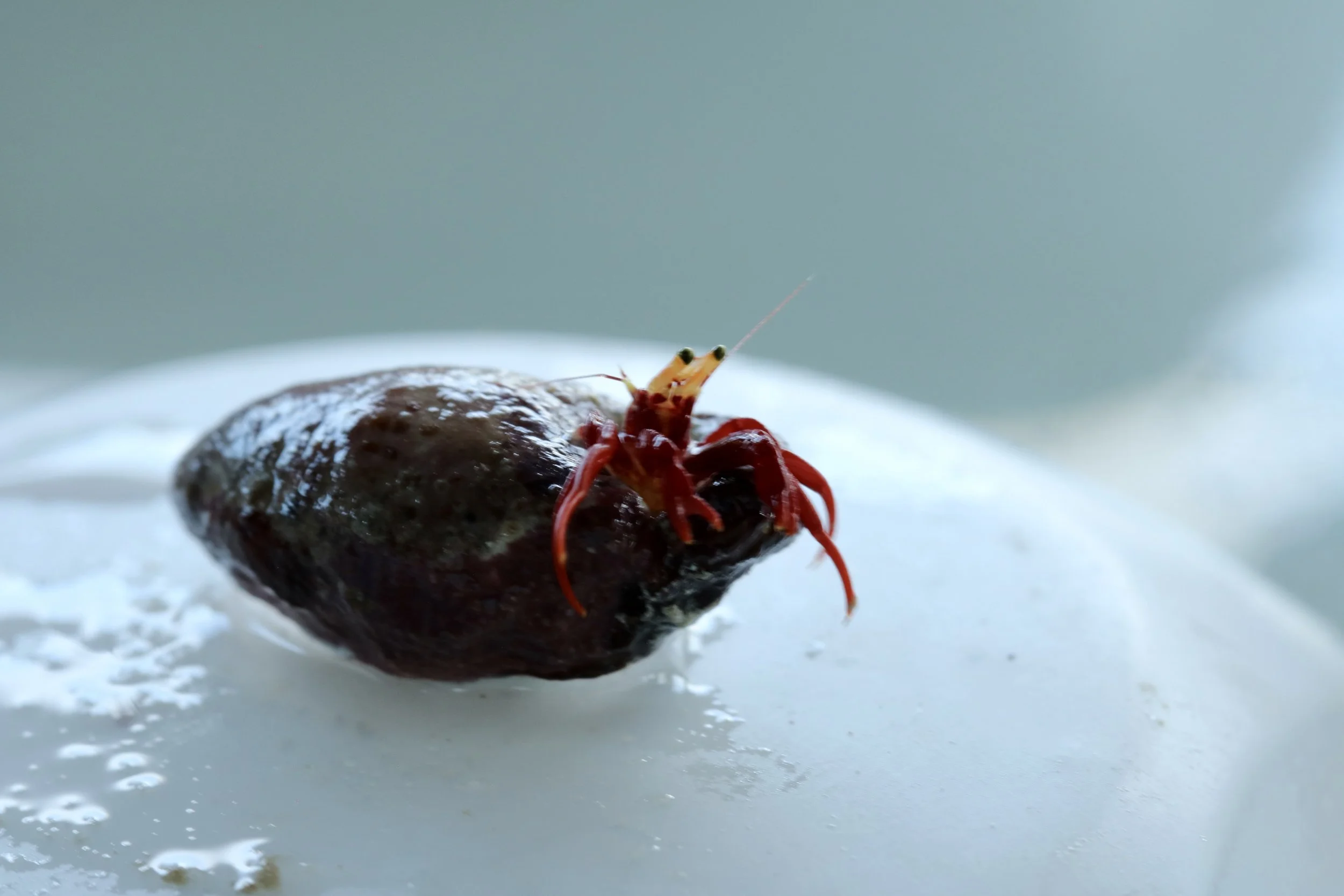
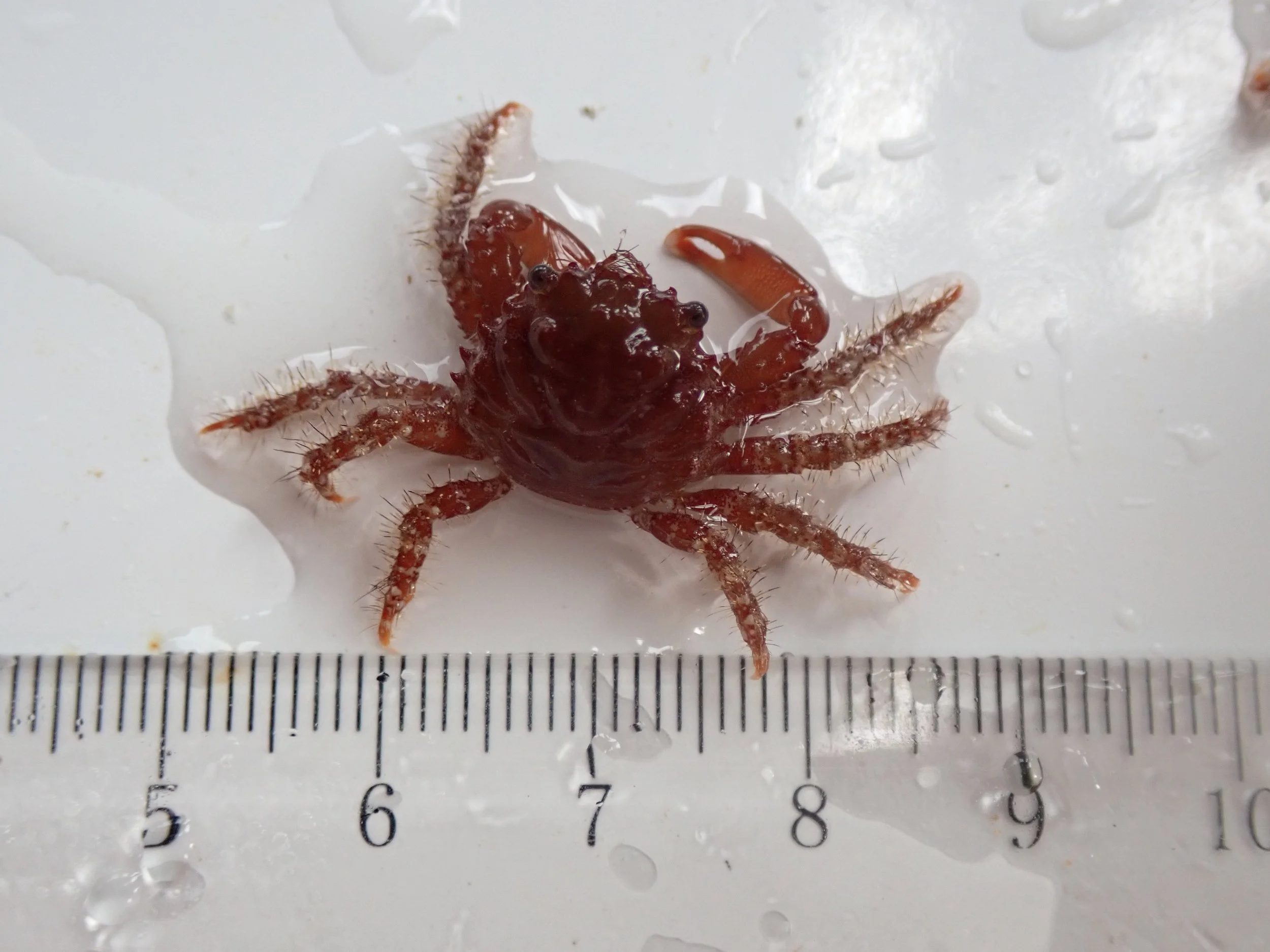
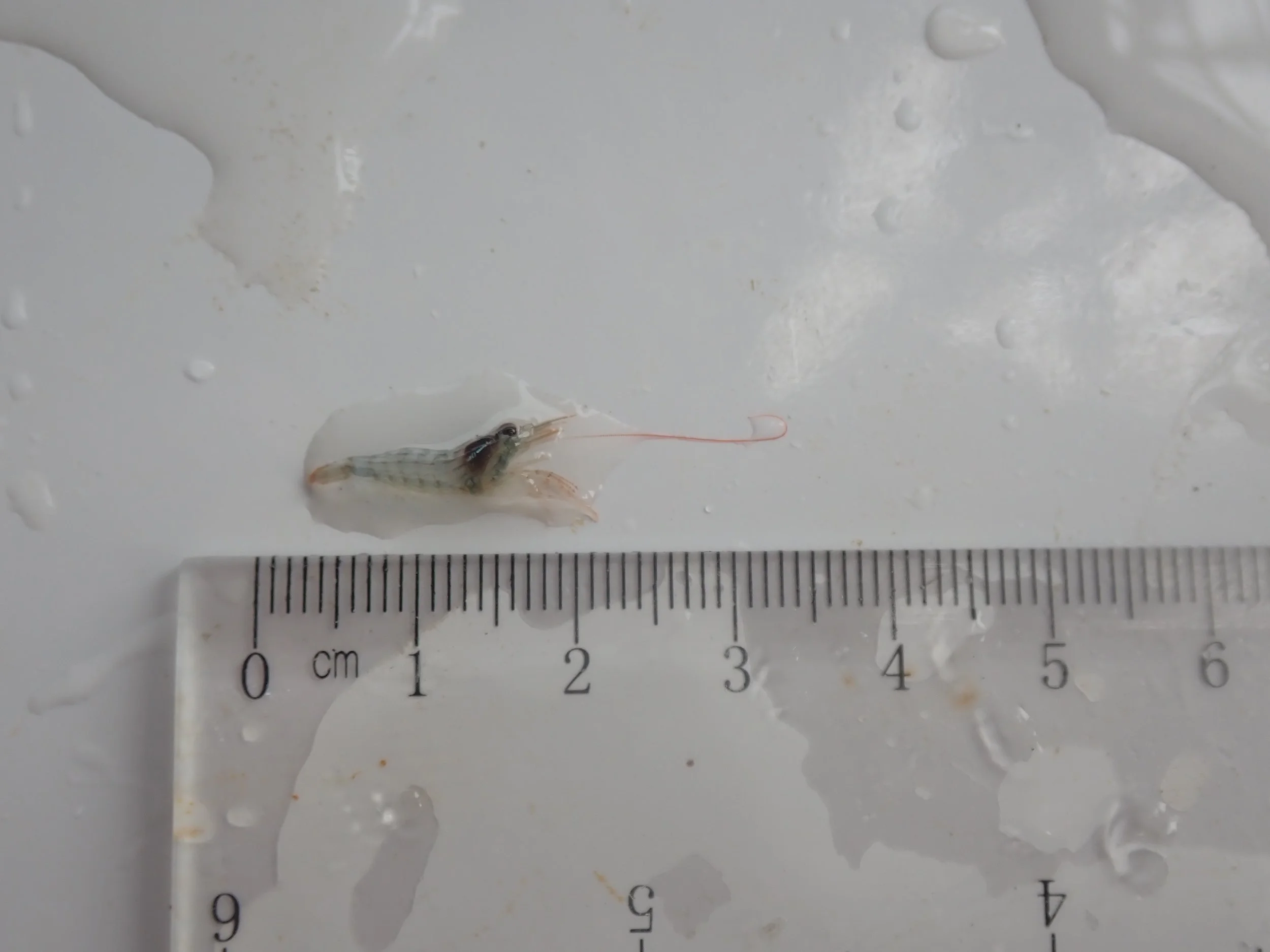
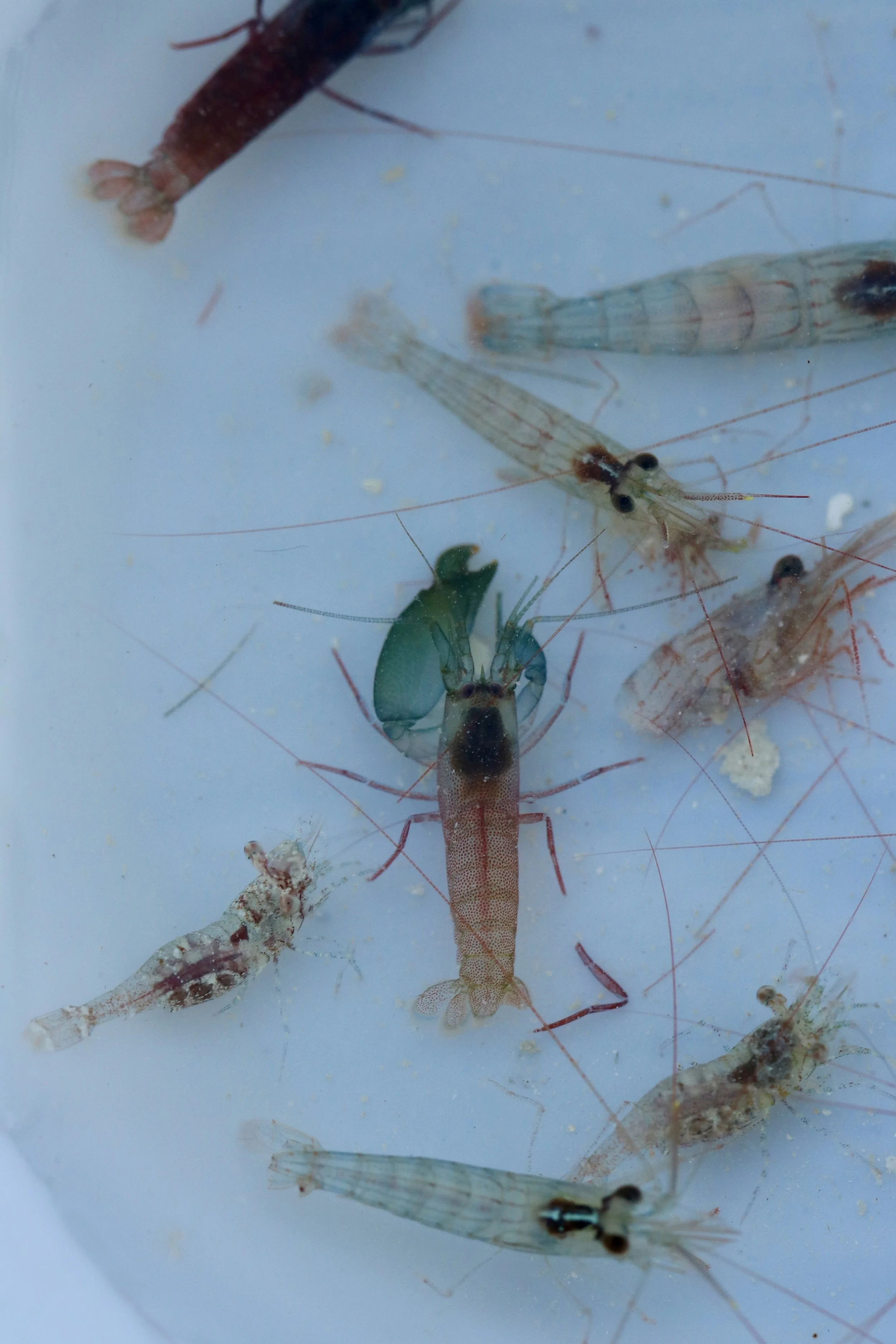
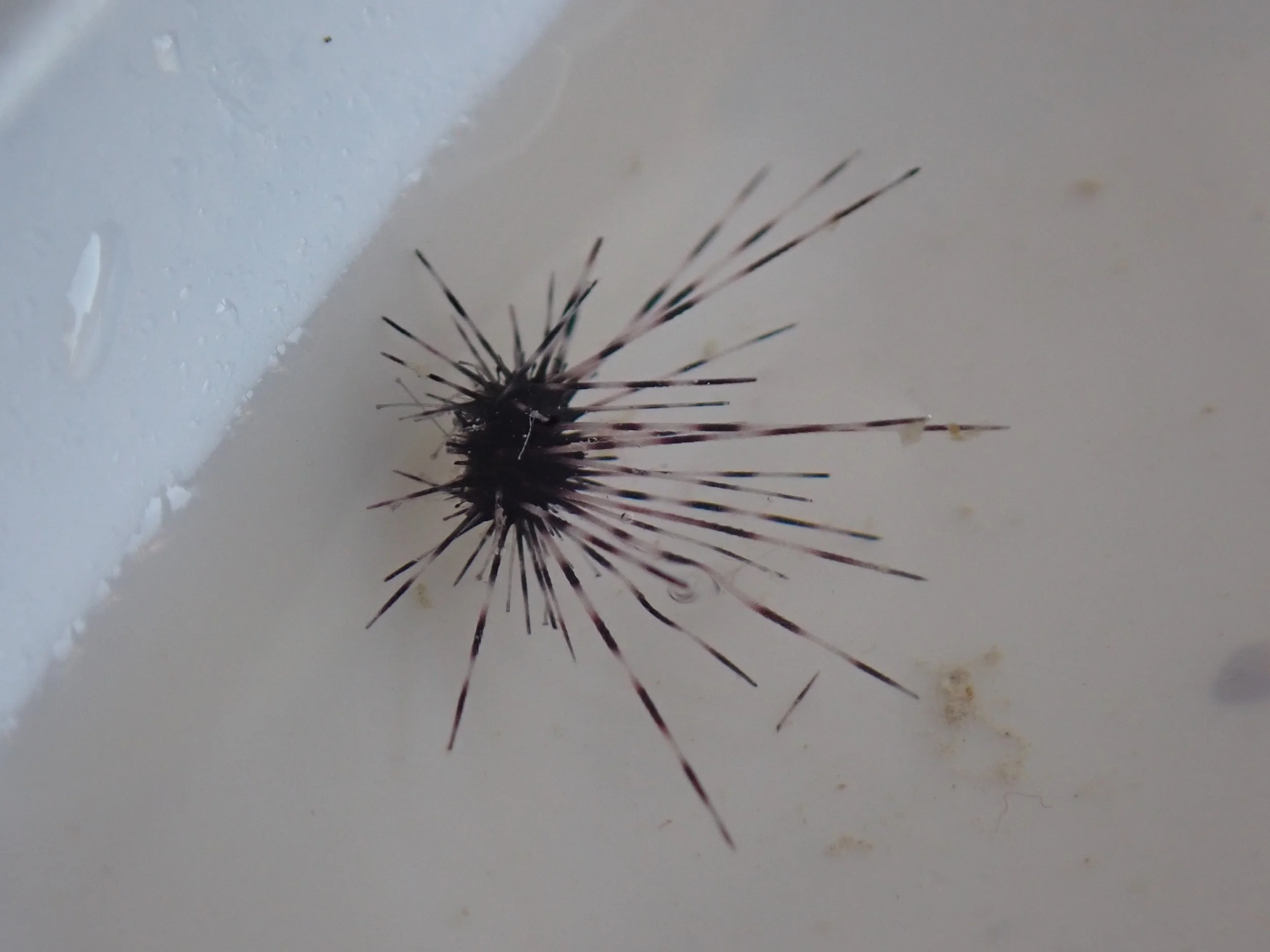
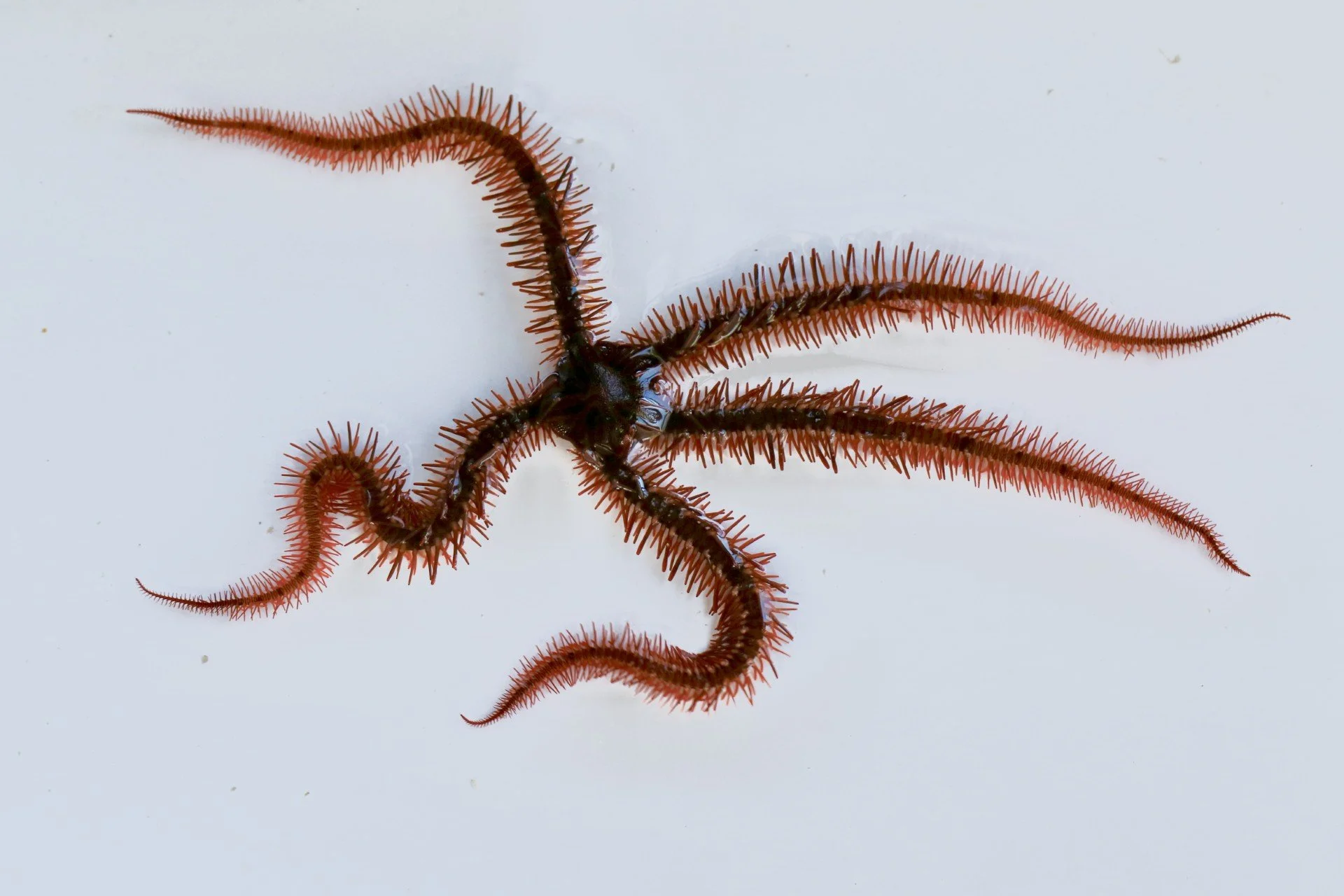
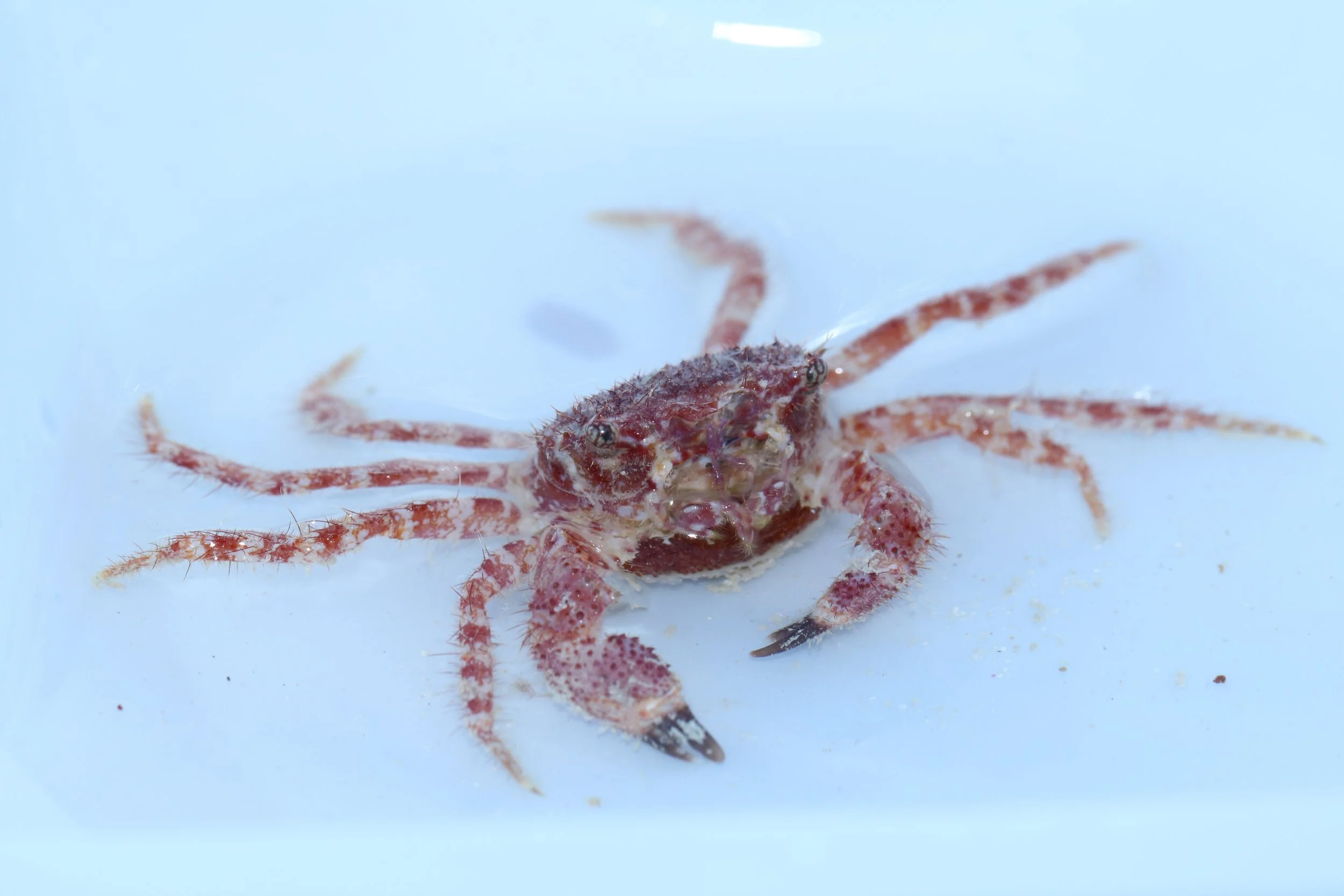
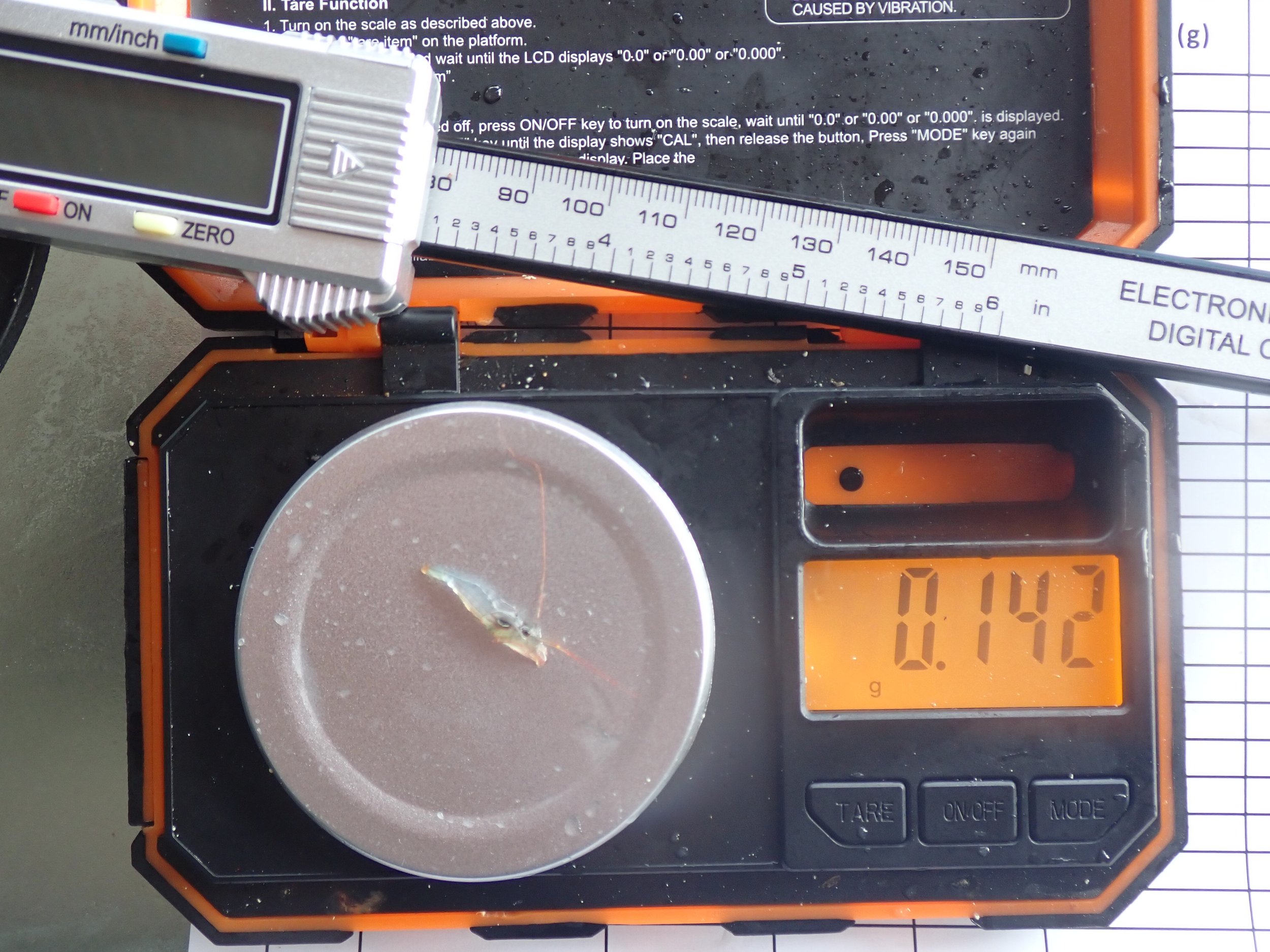
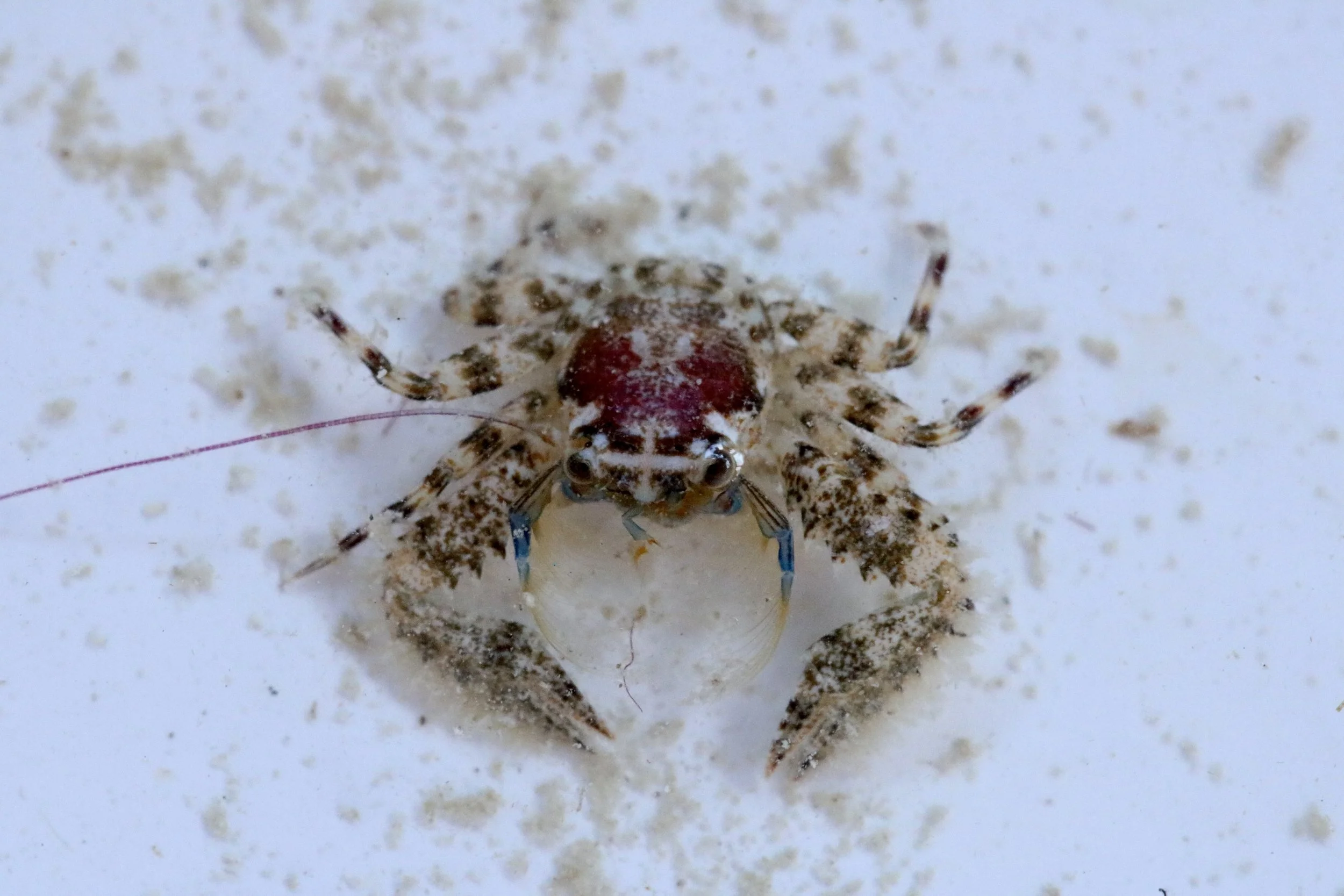
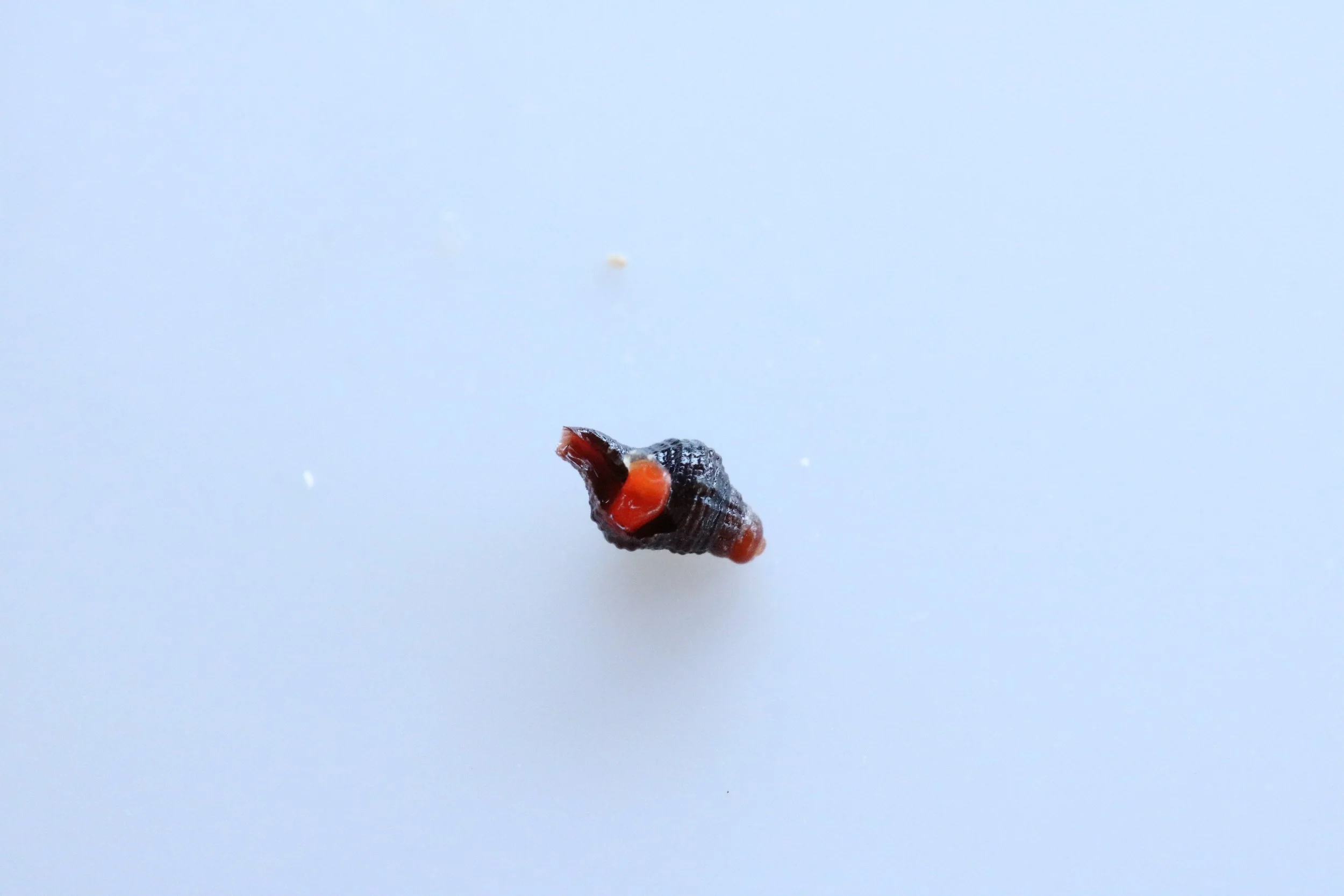
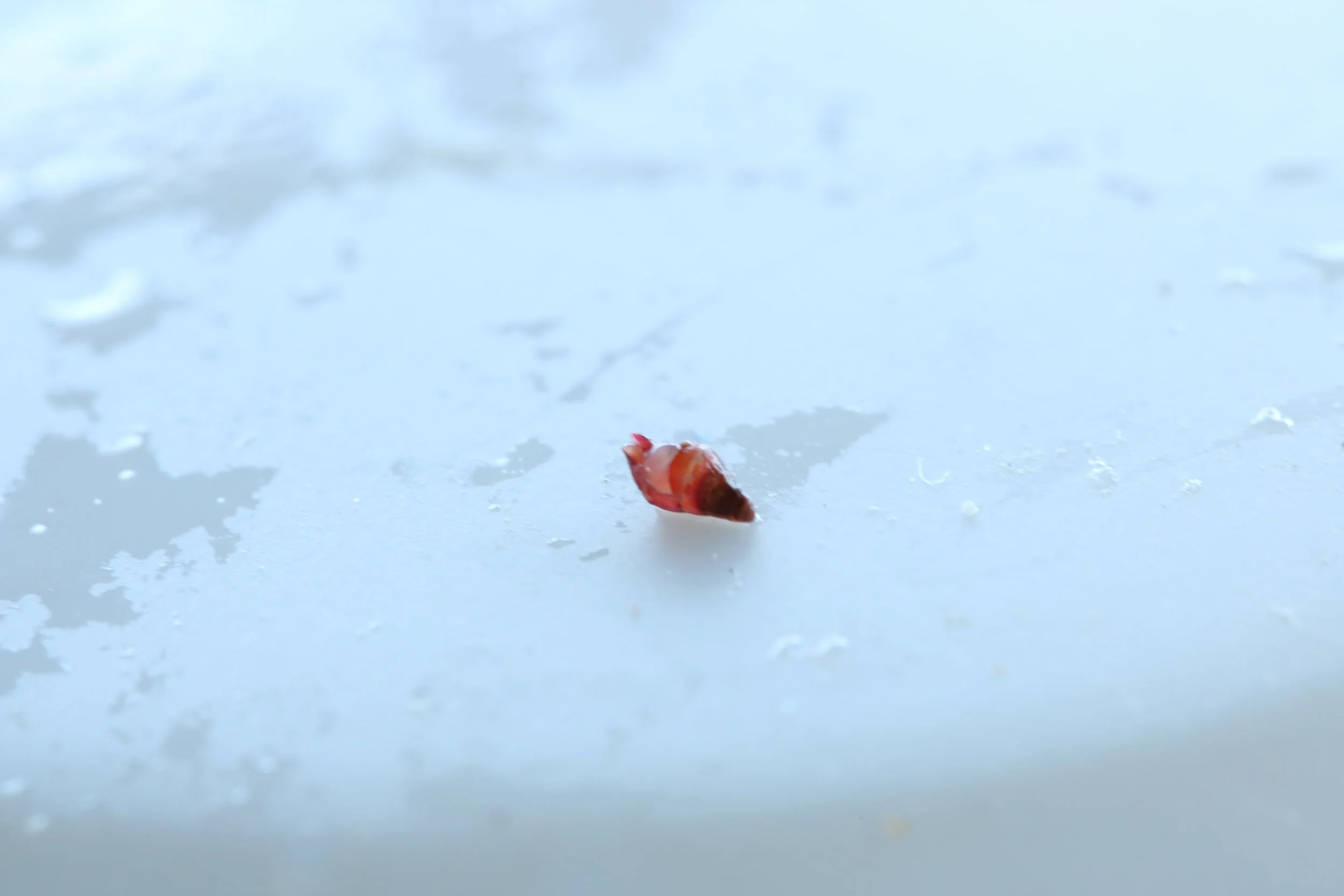
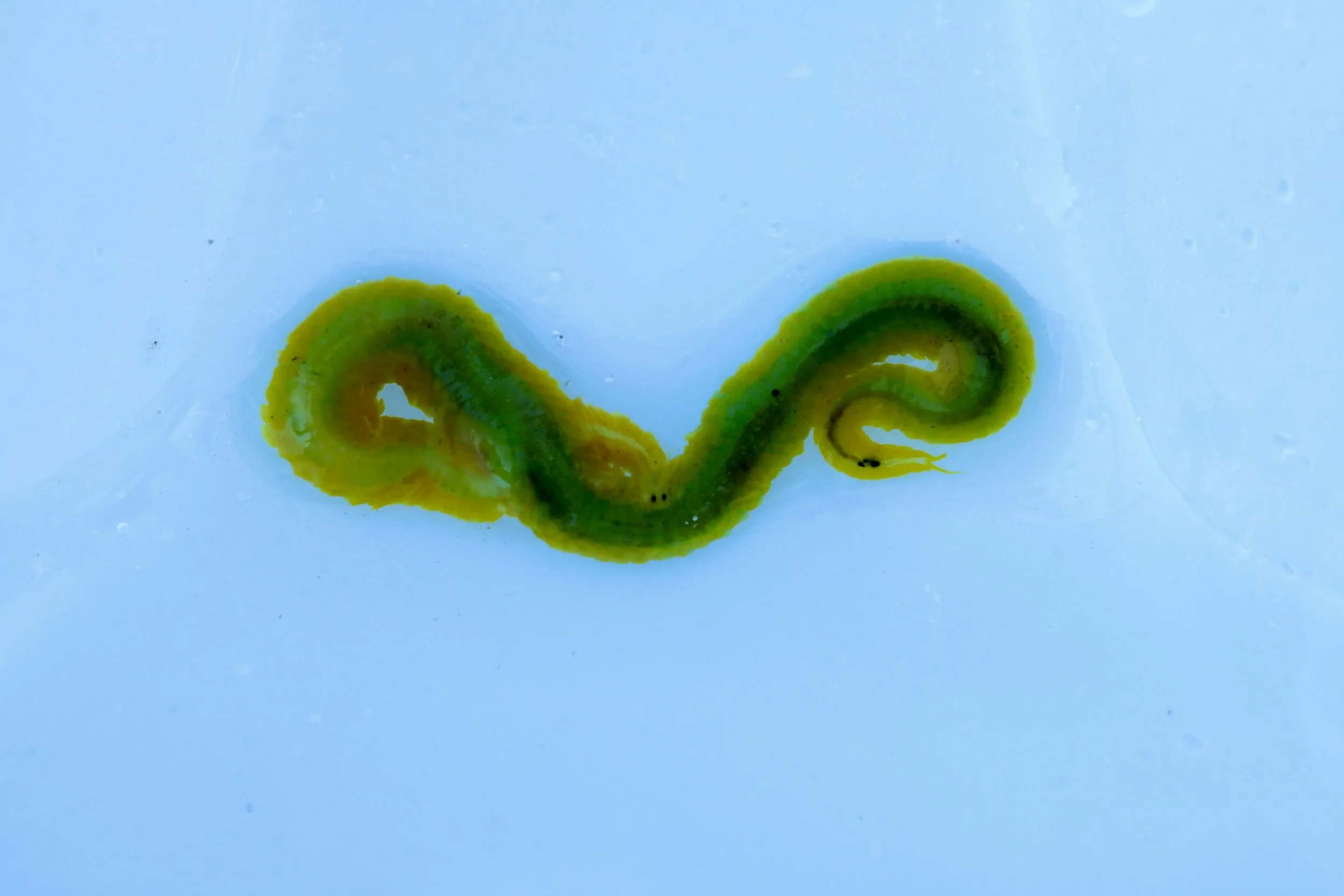
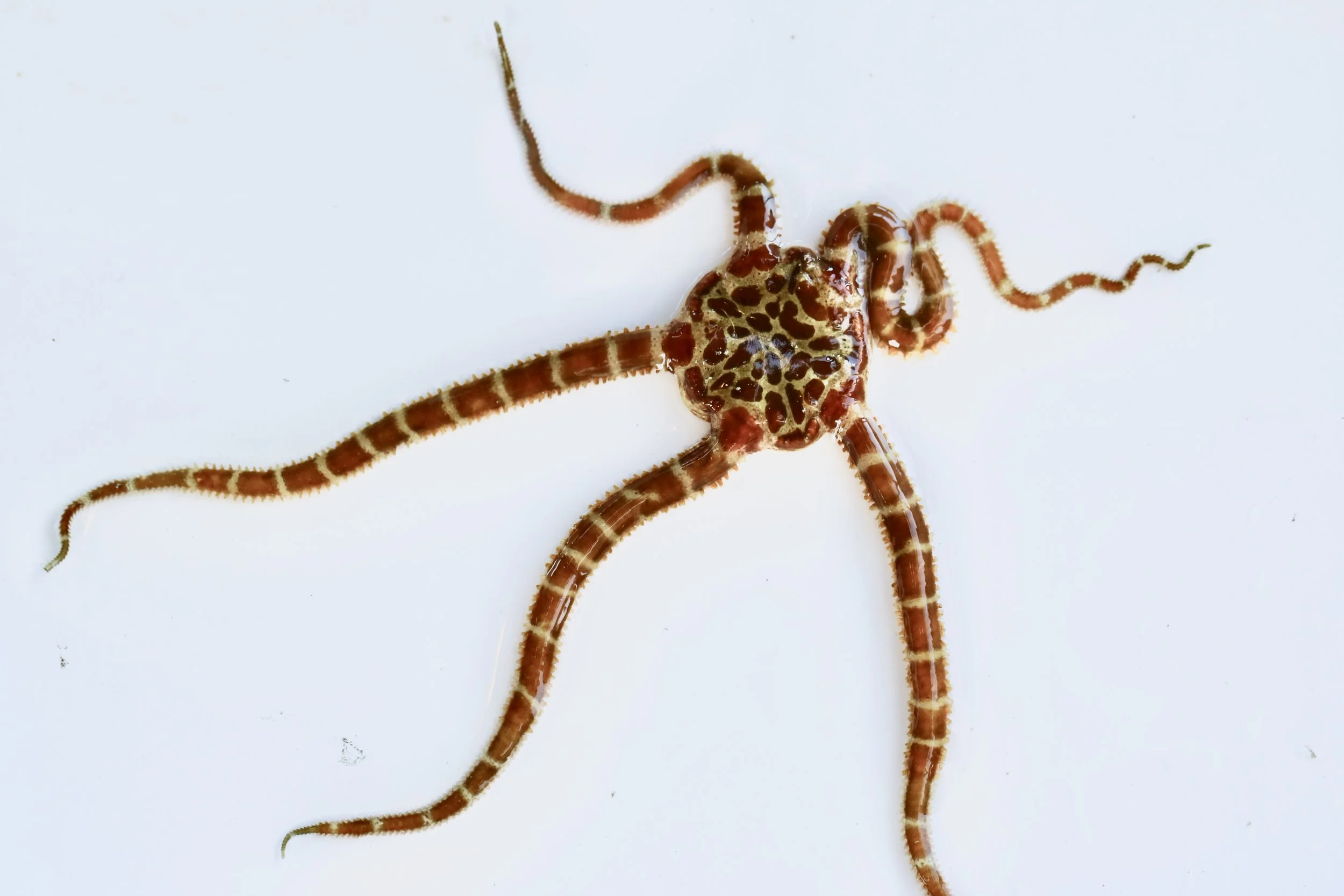
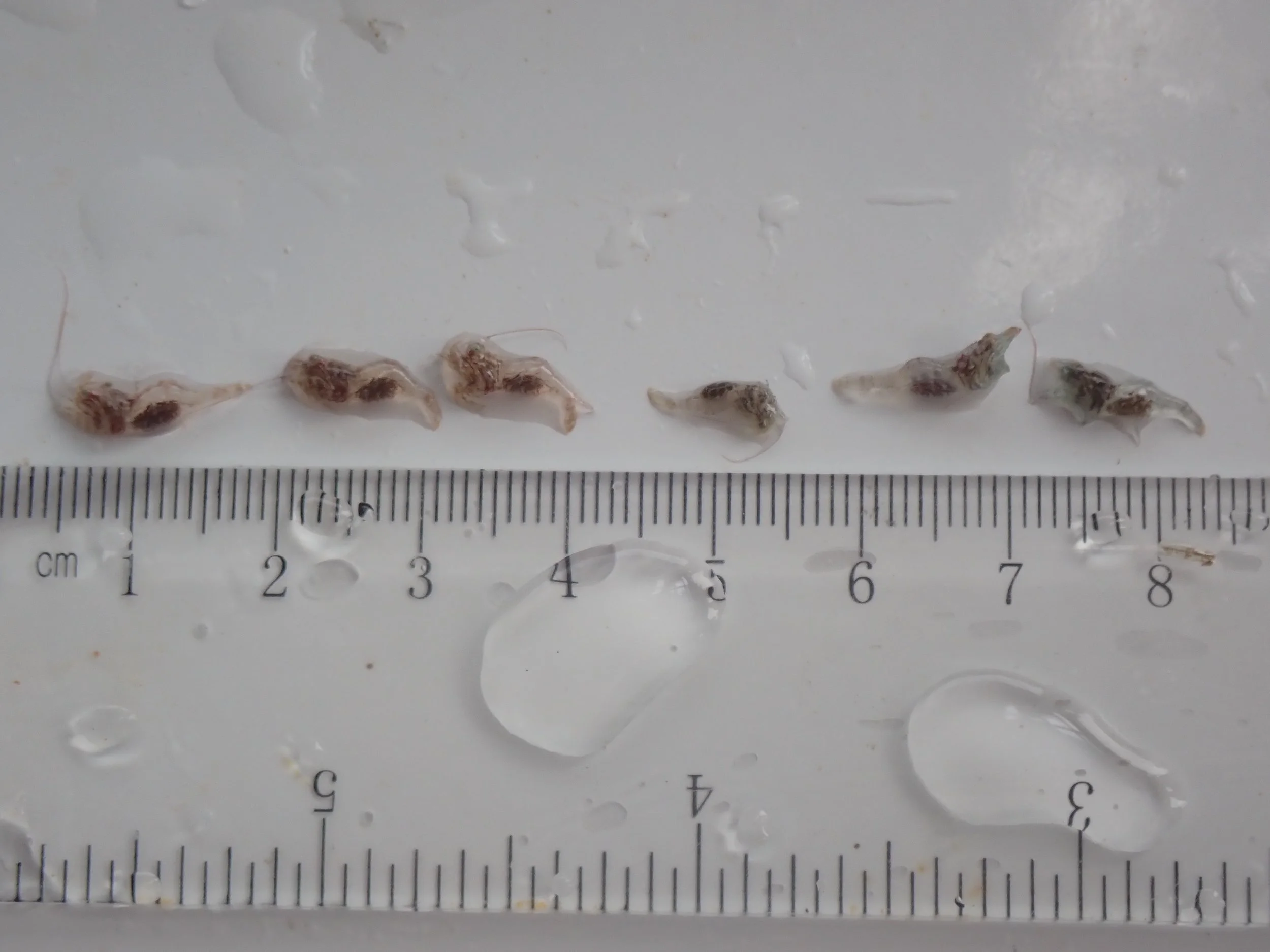
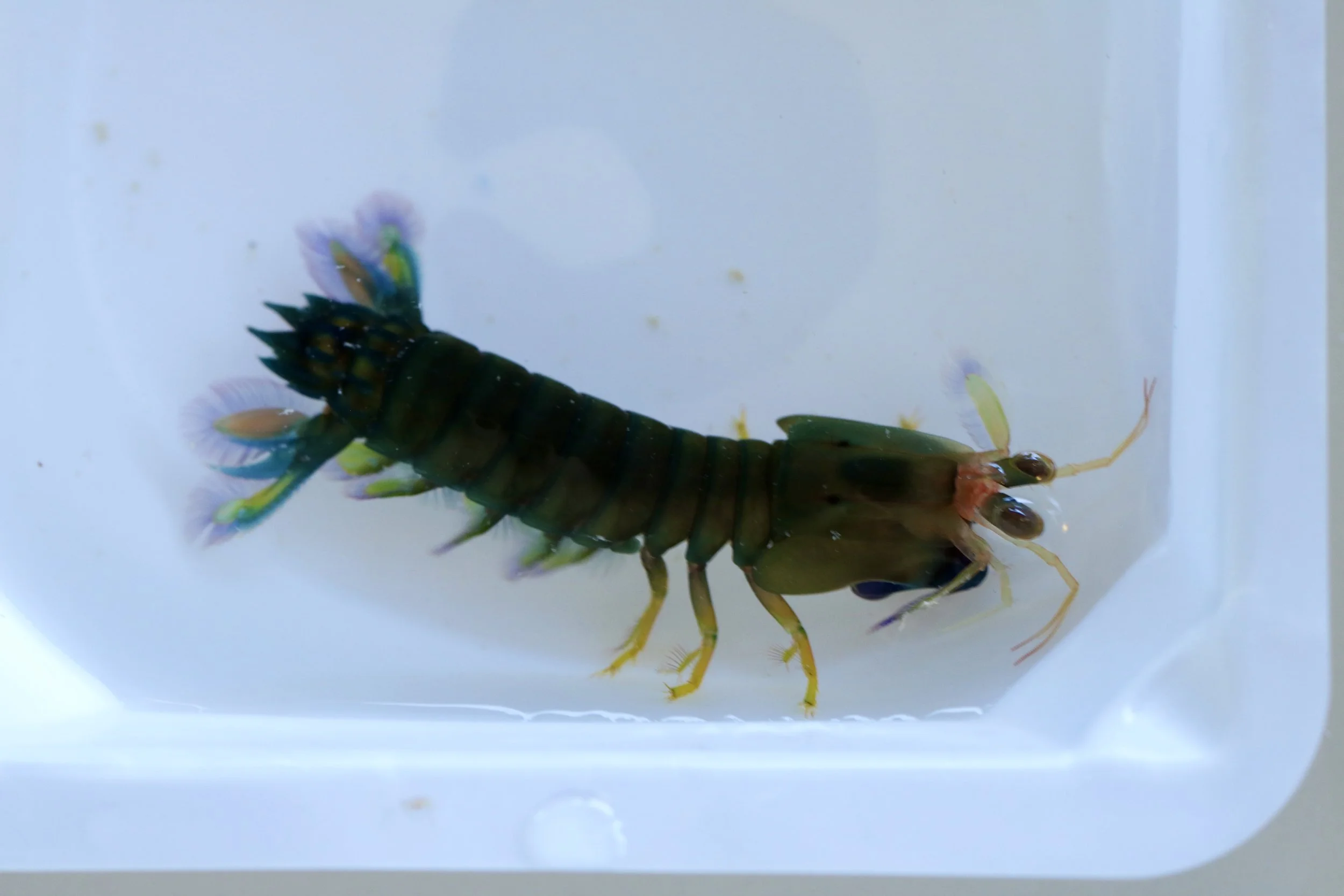
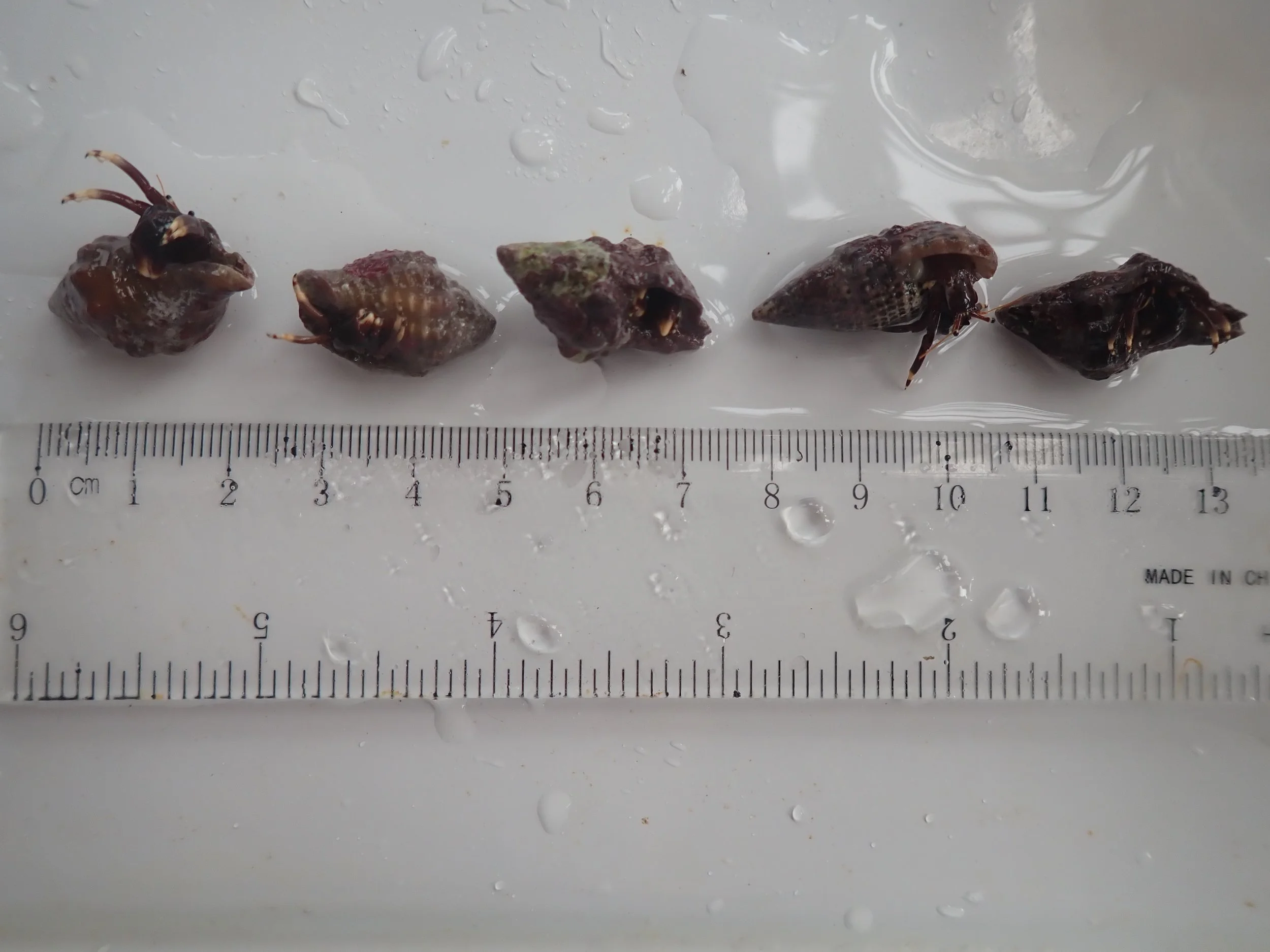
Coral reefs’ most abundant and diverse residents are small (<5 centimeters) invertebrates such as worms, clams, snails, shrimp, and crabs, collectively known as cryptofauna.
Cryptofauna are critically important because they constitute the base of coral reef food webs. Understanding their community dynamics will help unlock new understanding about the fundamental health of the reef ecosystems in which they live.
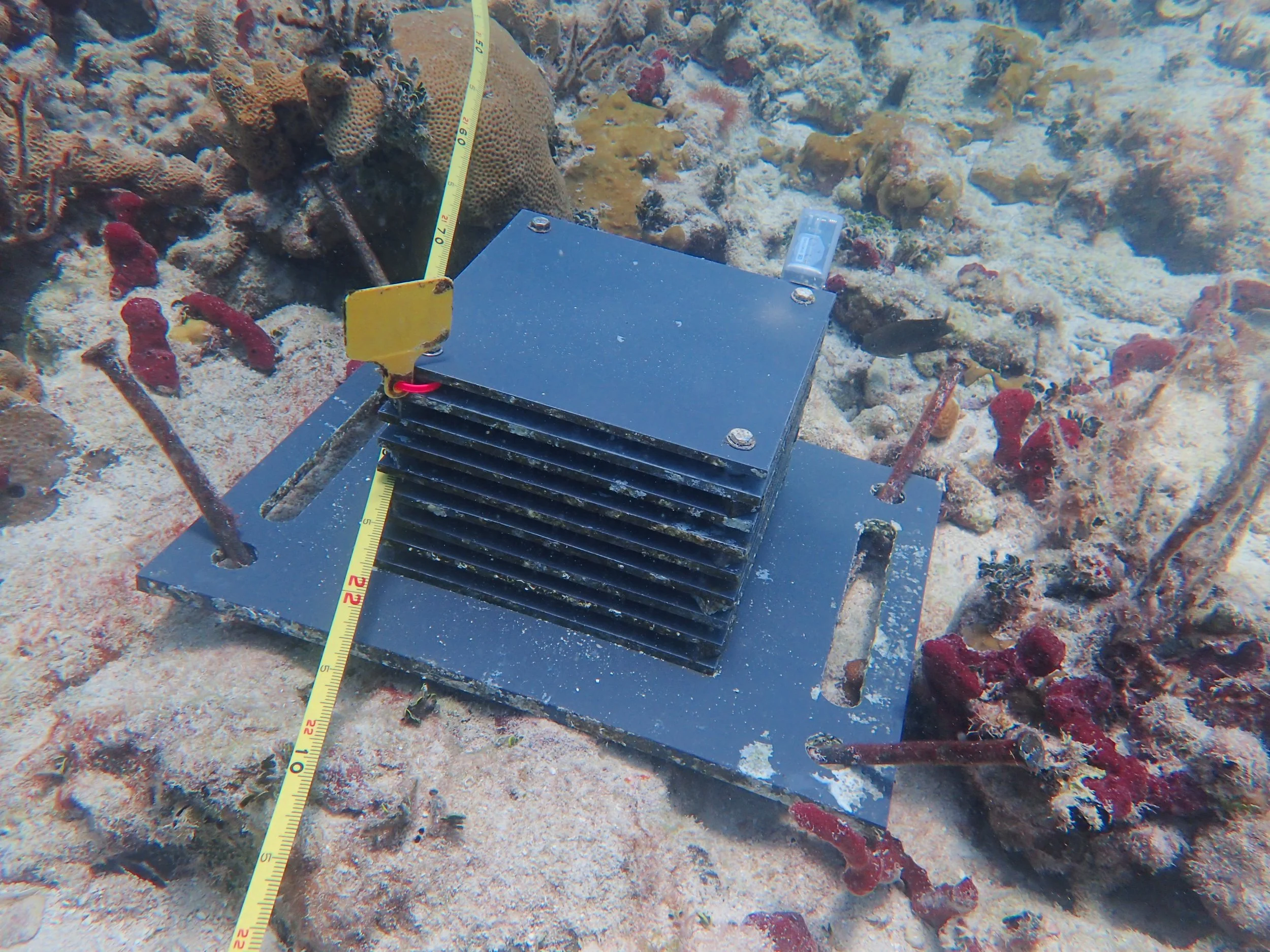
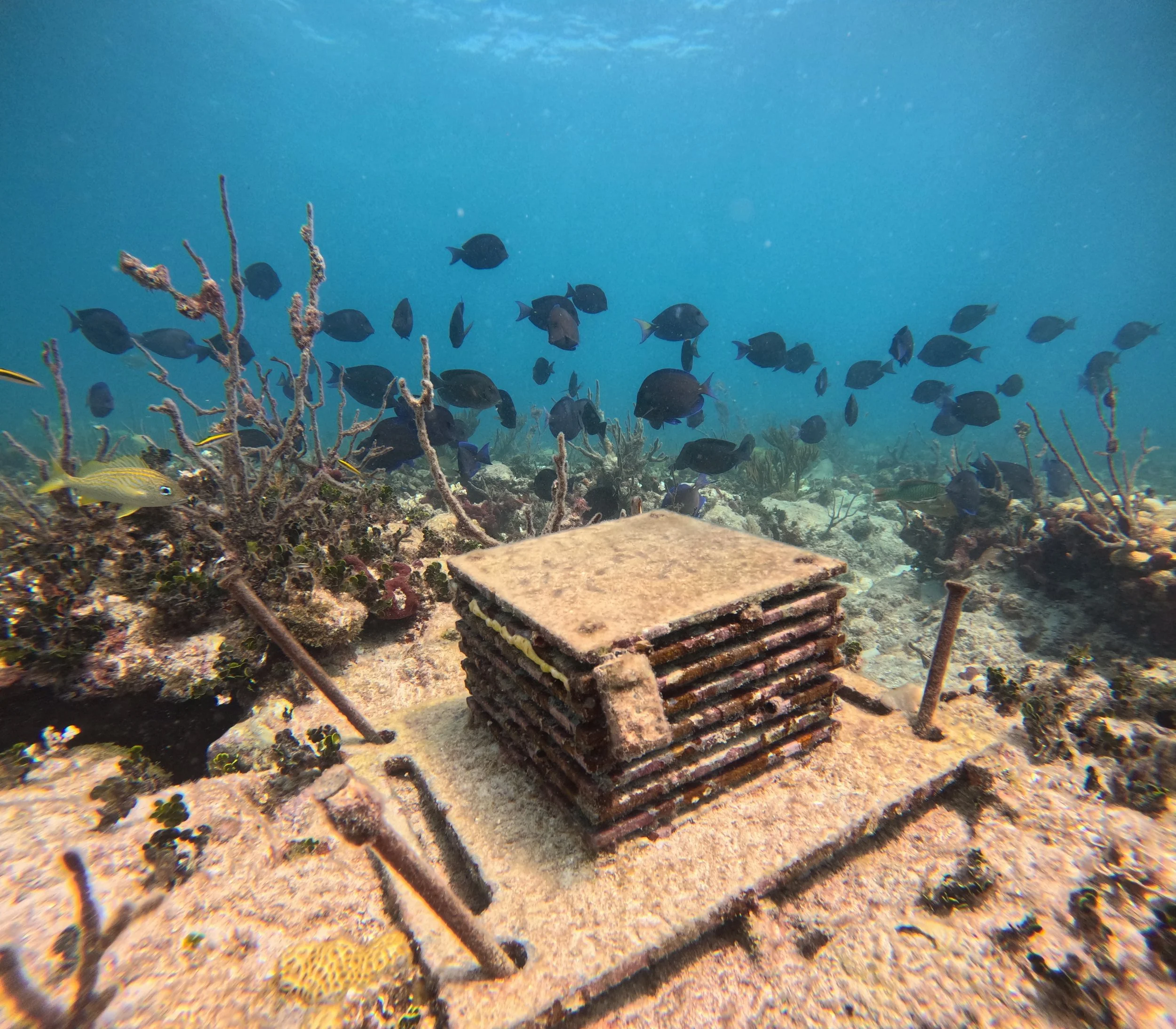
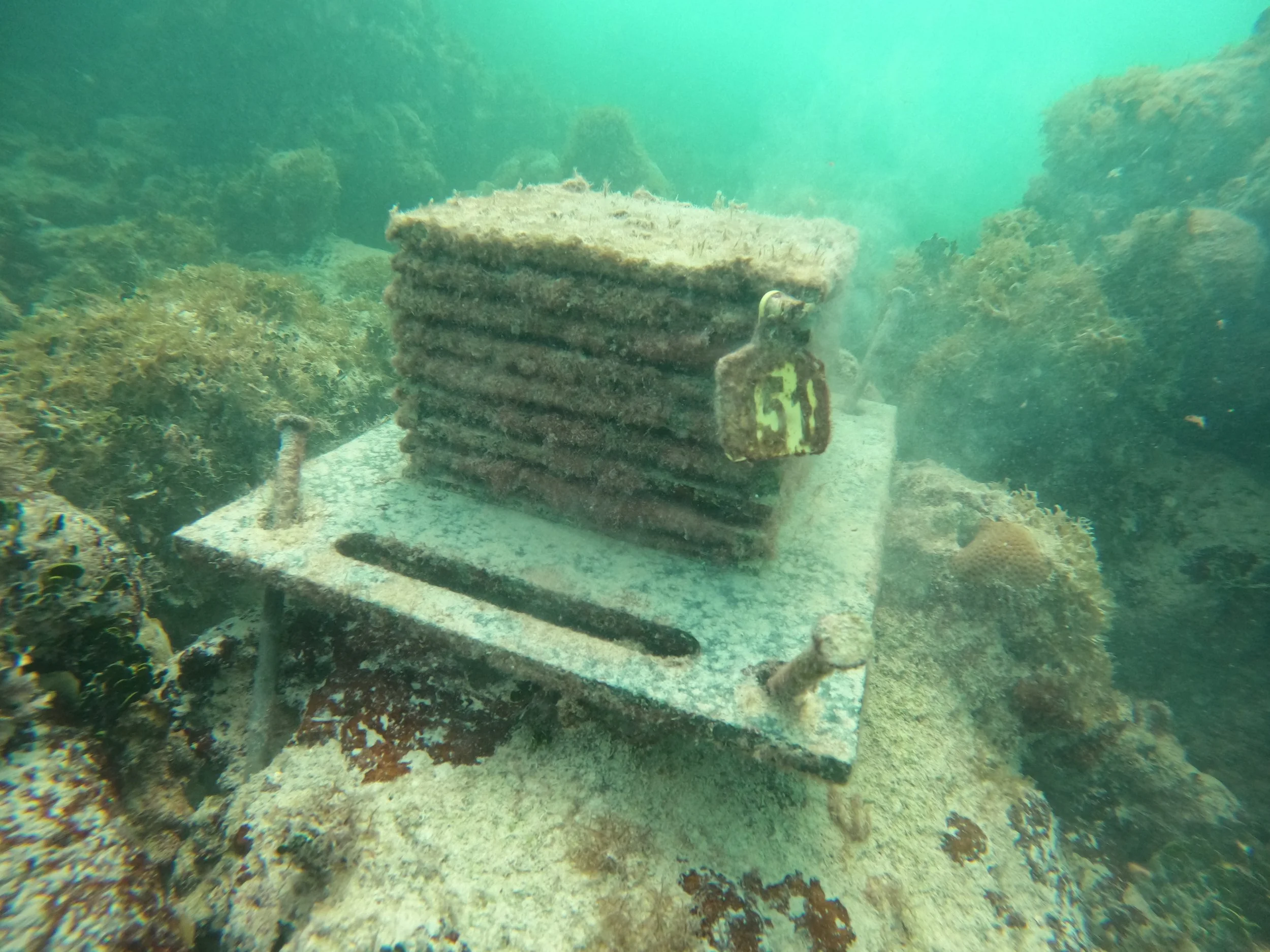
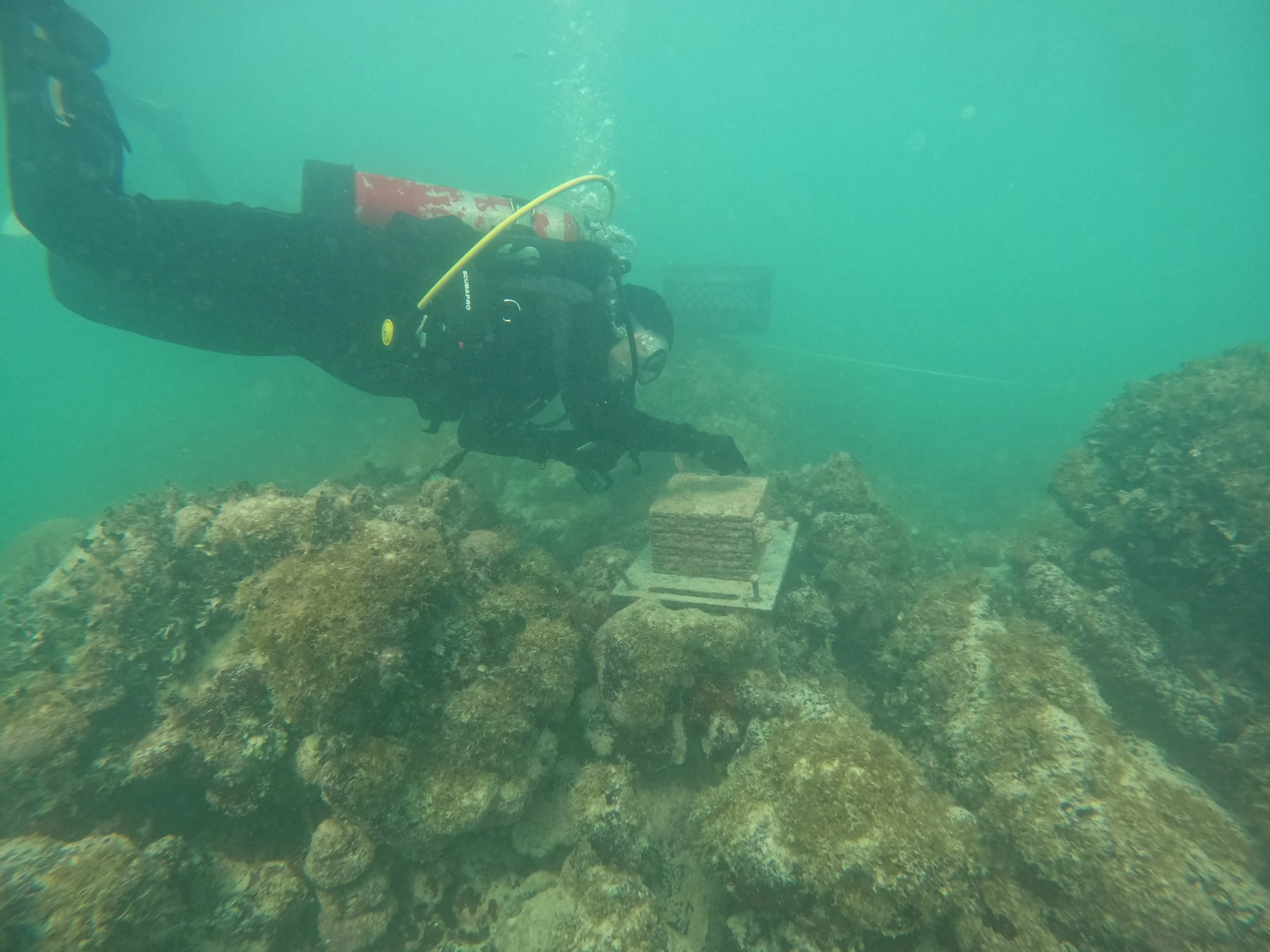
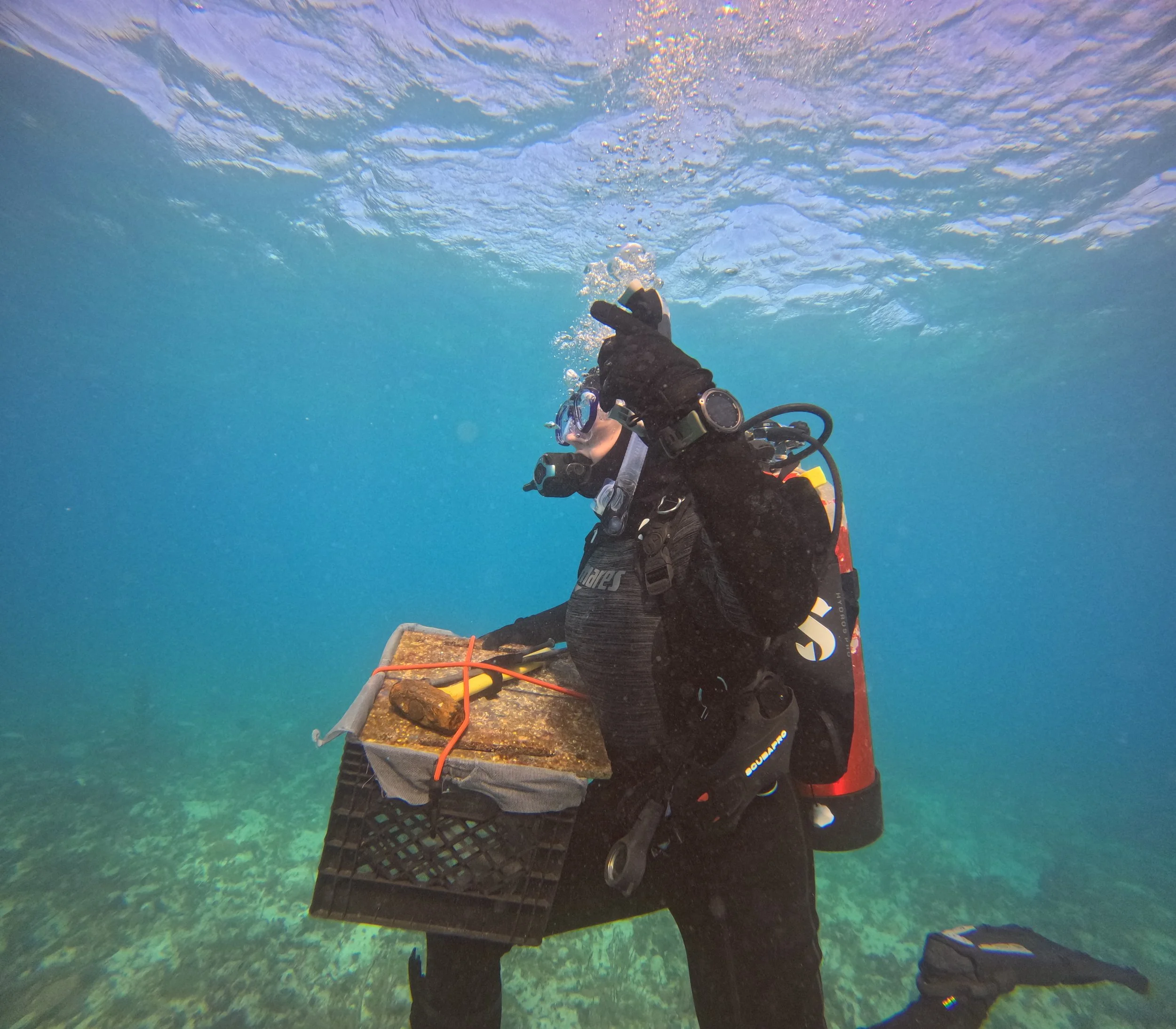
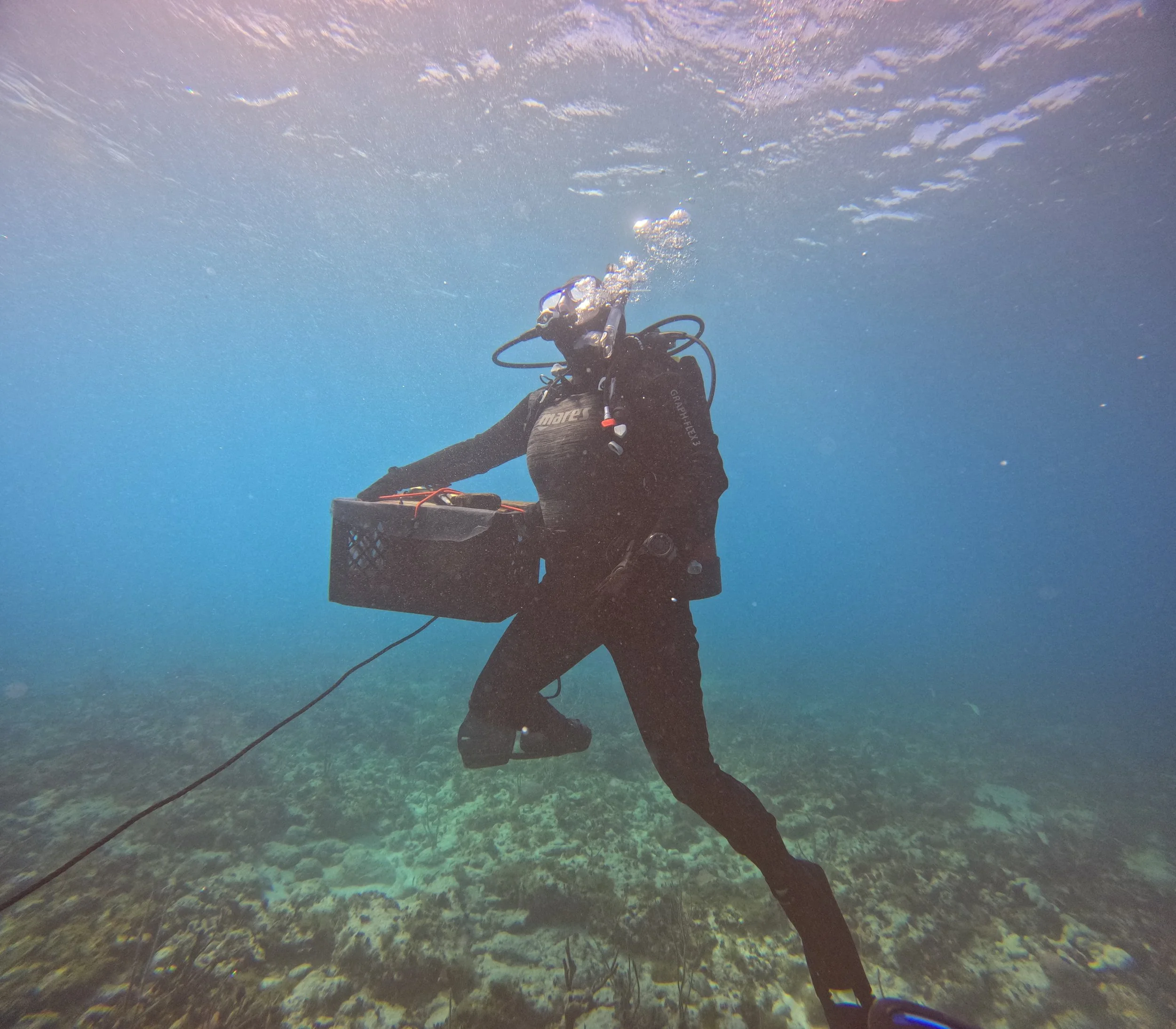
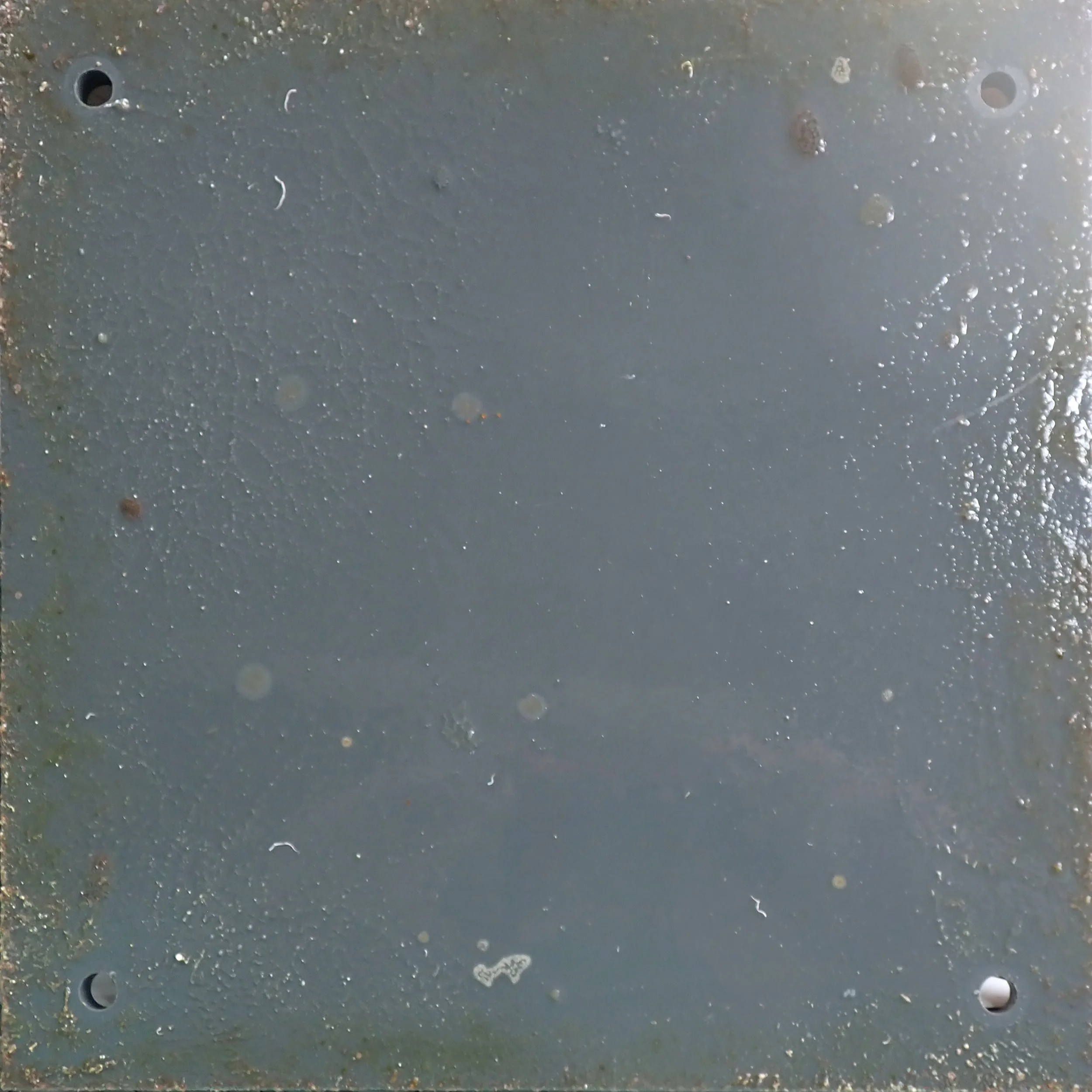
Because cryptofauna live hidden within reef structures, it’s not possible to study them through traditional survey methods. The Smithsonian Institute invented Autonomous Reef Monitoring Structures (ARMS) as a standardized tool for scientists to be able to sample cryptofauna. I am using ARMS to research cryptofauna in the Florida Keys National Marine Sanctuary. I want to determine how biodiversity changes over time, and how communities respond to coral reef restoration efforts.